
Training institutions are reporting a measurable shift in how mechanical skills are taught, driven by the rapid expansion of animation of diesel engine assembly and disassembly as a standard instructional method. What began as a supplement to classroom teaching has become a core component of vocational programs, in-house training centers, and university laboratories. The milestones of the past year demonstrate both the scale of adoption and the quality of the learning outcomes being achieved.
The evidence for the learning effect is consistent across institutions. Studies and internal assessments from training providers show that learners who study a procedure through animation before hands-on practice complete practical exercises faster, make fewer sequencing errors, and retain the procedure longer than peers taught by text and demonstration alone. Animation of diesel engine assembly and disassembly works because it aligns the way the content is presented with the way the task is actually performed: as a visible, ordered sequence of physical actions.
Milestone: Adoption Across Institutions and Industries
The past year saw the approach adopted well beyond its original automotive and marine audiences. Mining, power generation, and oil and gas training programs now use diesel engine animation to teach the engines that drive generators, compressors, and drilling equipment. The shared need, technicians who can disassemble and reassemble complex machinery correctly and safely, has made the content universally valuable.
In the oil and gas sector specifically, the expansion has been notable. Training centers serving the drilling industry have integrated engine training into broader curricula that already include well control and equipment simulation, creating a complete pathway from basic mechanics to advanced operations. The synergy is practical: oil and gas drilling animation teaches how the equipment behaves in operation, while the assembly animation teaches how it is built and maintained, and together they produce technicians who understand the machinery from every angle.
The adoption pattern also changed how training providers buy content. Instead of commissioning a single animation for one course, institutions now license libraries that cover entire engine families, negotiating update cycles and localization options as part of the contract. This shift toward platform-style purchasing reflects a mature market, where the question is no longer whether animation works but how deeply it can be embedded in the curriculum and how quickly new engine models can be added to the library.
Milestone: Quality Benchmarks Are Rising
As adoption grows, so does the sophistication of what buyers expect. Institutions now ask for animations that match the exact engine models in their workshops, that follow manufacturer-documented procedures with correct torque values, and that include assessment features linked to their grading systems. The best providers have responded by building content libraries that cover multiple engine families and by supporting multiple languages, reflecting the international reach of modern training programs.
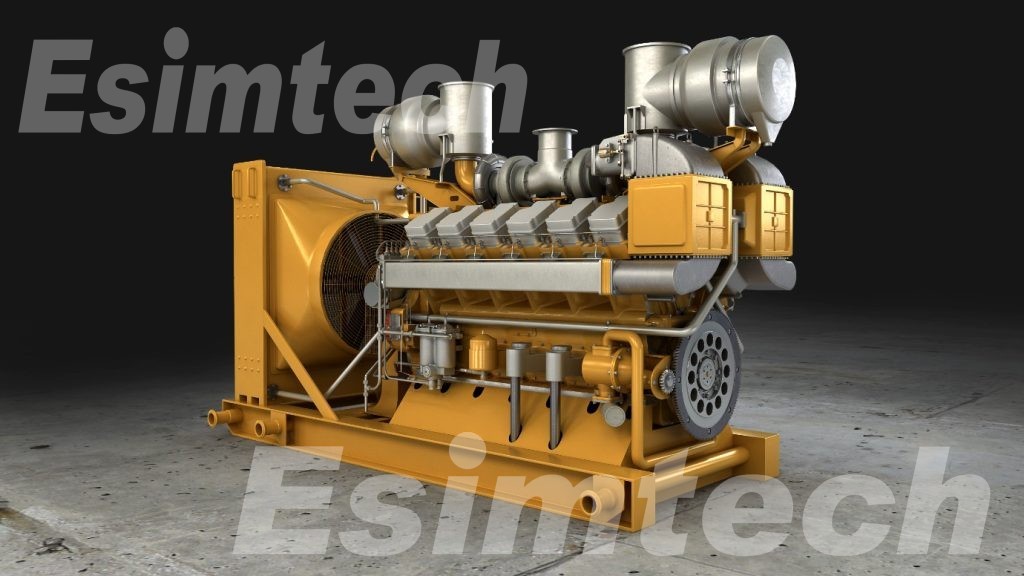 The procedural accuracy of the content has become the defining quality criterion. Because learners are assessed against the same procedures they study in animation, any deviation from the manufacturer’s sequence teaches an error that will later cost marks, or worse, cost safety. The expansion of the medium has therefore gone hand in hand with a tightening of its standards, and the institutions that insist on accuracy are the ones reporting the strongest results.
Outlook
The direction for the coming year is clear. Expect further integration of animation with hands-on assessment, wider use of interactive and quiz-based modes, and continued growth in the range of equipment covered. Training providers who invest now in high-quality, procedurally accurate content, whether through licensing or commissioning custom animation of diesel engine assembly and disassembly, will be well positioned as the medium becomes the expected baseline for mechanical training worldwide.
The milestone that matters most is not any single statistic but the change in expectations it represents. Learners, instructors, and employers now take it for granted that a complex procedure will be shown, not just described. When seeing becomes the standard way of teaching, understanding follows more quickly, and the industry is better for it.