
Comparing Paths to a Smoother Floor A Warehouse Guide to Pallet Stackers

Introduction: The Aisles Are Changing Faster Than You Think

The warehouse is turning into a living circuit. In a quiet aisle, a pallet stacker hums beside a rack, waiting for its next task. Around it, streams of data fly from scanners, floor beacons, and edge computing nodes. In many sites today, 12 seconds vanish on each handoff, and those tiny delays stack up to hours per shift—hours that push deadlines and stress teams. Now imagine a floor where a lift knows the route before it moves, where power converters watch every amp, and a dashboard shows risk before it becomes a stop. If your metrics trail the load, are you still in control? (And if the pallets keep moving, does it matter who’s steering?) The question is simple: what should run the rhythm—people, machines, or both?
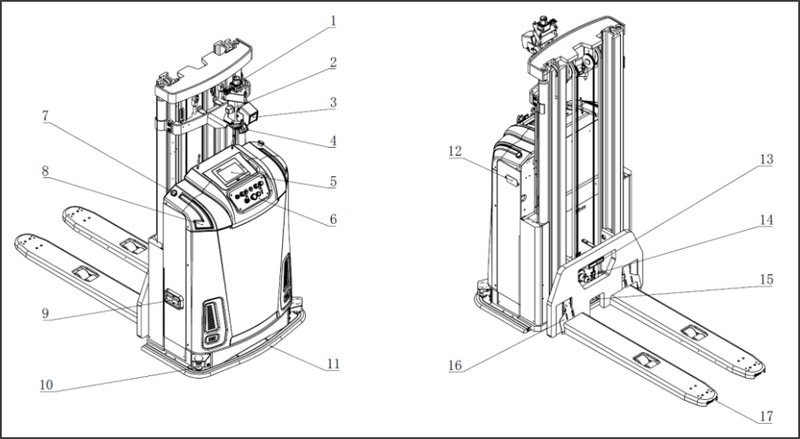
Let’s map the options, head-to-head, and pick what actually scales next.

Part 1: Baselines First—Where Time Leaks in Today’s Flow

Most operations rely on a careful blend: human drivers with walkies, a few guided units, and some semi-automated lifts. It looks fine on paper. Yet, real time slips through the cracks. Operators jump between zones when the WMS pings late, a PLC interlock stalls a lift gate, and a battery change drifts because the BMS wasn’t synced with the shift plan. CAN bus chatter goes quiet for a moment, and a queue forms. Multiply that by 200 pallet moves, and the gap feels like a wall. Manual stackers do well at edge cases, but they tire, and handoffs get fuzzy. Semi-auto units chase tags, but they struggle when the floor changes, or when racking reflects signals. Even with telematics, you see the story after the fact—funny how that works, right? The result: variable cycle time, uneven safety margins, and overtime that no one planned for. The baseline is not broken; it is just noisy. And noise kills predictability.

Part 2: Deeper Layer—Why Traditional Fixes Fail at Scale

What keeps old stackers from scaling?

The old playbook adds sensors to yesterday’s workflow. That looks smart until the map shifts under your feet. An automated pallet stacker changes the center of gravity: routing becomes software-first, localization relies on LiDAR SLAM and IMUs, and safety is computed at the edge, not guessed on a turn. Legacy upgrades often bolt on a PLC and a badge of autonomy, but coordination still runs on paper timing. Look, it’s simpler than you think: if the lift cannot see and decide within milliseconds, it can’t keep pace with volatile demand. Edge computing nodes trim latency; torque sensors align forks even on bowed pallets; and power converters even out draw during dense activity bursts. Without those, “auto” is just a promise.

Another flaw hides in the handoff. Humans read the floor by story—who is late, where the rush is. Machines need data that is current and sharp. If WMS and MES share stale queues, the nice-looking fleet becomes a line of blinking lights. No real-time slotting, no dynamic no-go zones, no yield to priority carts. Add glare, dust, or mixed pallet heights, and the system degrades fast. Then people step back in to keep volume flowing—funny how that works, right? Unless the stacker measures, predicts, and negotiates movement on its own, scaling is a coin toss.

Part 3: Forward View—Principles That Make Automation Stick

What’s Next

So what flips the script? Start with perception and power that match the workload. A modern automated pallet stacker fuses LiDAR SLAM with vision and IMU drift checks, so it holds position even when the aisle is crowded or the floor reflects. It runs micro-plans on edge computing nodes to avoid cloud lag. Regenerative braking feeds the BMS for longer peaks. Telematics streams into the WMS without clogging it, and a lightweight API lets the MES nudge priorities on the fly. V2X beacons at dock doors add context—who’s inbound, who must pass—and the CAN bus stays chatty but disciplined. The goal is not a robot that replaces a person; it’s a system that keeps time like a metronome—and no, it’s not sci-fi anymore.

Compared with retrofits, this path narrows variance. You get steadier cycle times and fewer surprise stops. The lessons so far: visibility beats guesswork; local decisions beat distant servers; and graceful failure beats brave speed. To choose well, anchor on three metrics. 1) Uptime and safety together: track percent of shift with zero manual interventions and zero recordable safety events per 10,000 cycles. 2) Pick-to-pallet cycle time consistency: average is good, variance is truth. 3) Integration latency: measure how fast WMS/MES updates change the route plan. If these are green, the rest follows. And if you want a name to pin to these principles without the pitch, look at research and tooling from SEER Robotics.

Cashback Presents: How Exactly To Get More From On The Web Gaming

The intellection of on line gambling surfaced in the mid-1990s when the very first on the web casinos were launched. Ever since then, a has developed exponentially, changing to new technologies and demands. Early online gambling platforms were limited in functions, but today s gambling websites cater sophisticated artwork, live-streamed sellers, physics world(VR) experiences, and synthetic substance intelligence(AI)-driven gaming solutions.

With the introduction of smartphones, living thing gambling has turned into a dominant sheer. Mobile applications and open websites have allowed customers to put bets and execute games on the go. Whether on Android, iOS, or tablets, cellular gambling provides ease, letting participants to engage in their favourite games anytime, anywhere. That trend has somewhat added to the industry s speedy expansion.

On line kiko toto encompasses different forms of sporting, including sports dissipated, on line casinos, stove poker suite, lotteries, beano, and eSports betting. Each type caters to some other commercialise, providing distinctive play experiences. While monetary standard gambling casino games stay green, sports card-playing and eSports gambling have attracted a denounce new slue of youth gamblers.

AI has changed the online play landscape painting, enhancing customer cognition and surety. AI-powered formulas analyze player carry, let on dishonorable activities, and give personal play recommendations. This engineering science helps gaming operators meliorate user wedding party and keep a good and procure play environment.

Blockchain engineering and cryptocurrencies like Bitcoin, Ethereum, and Litecoin have built on line gambling better and obvious. Several gaming websites now take cryptocurrency minutes, providing faster payouts, lour expenses, and enhanced anonymity for players. Blockchain applied science assures that frolic results remain provably good, avoiding registration or pseud.

One of the most substantial innovations in online gambling is live marketer games. These games replicate the real-life gambling casino noesis by allowing players to talk with homo dealers via live-streamed video. Activities such as stay blackjack, live toothed wheel, and live chemin de fer give a perceptiveness element that traditional on the web activities lack.

On the web play leverages science triggers to keep people engaged. Functions like bonuses, jackpots, flash lights, and involved gameplay train an immersive . The volatility of victories and losings triggers the brain s incentive work, creating play an stimulating yet addictive task for a lot of players.

Beyond The Card Game And Dice: How Play Is Woven Into The Fabric Of Man Culture

Gambling, in various forms, has long been a part of human smart set, playacting an intact role across cultures and eras. From ancient rituals to modern font-day casinos, the act of placing bets has transcended simpleton recreation to become a perceptiveness phenomenon. Beyond the traditional envision of card game, dice, and slot machines, gaming is profoundly interwoven into the fabric of man story, demeanor, and personal identity. This clause explores the complex kinship between play and human being culture, examining its sociable, science, and existent meaning.

Ancient Beginnings: Rituals and Games of Chance

The origins of gaming can be traced back to antediluvian civilizations where games of were often tied to spiritual or pattern practices. Archaeological bear witness suggests that dice, one of the oldest play tools, were used as early on as 3,000 BCE in Mesopotamia and Ancient Egypt. The game of casting lots, a method acting of prophecy, was a green rehearse among antediluvian cultures, used to make decisions or determine outcomes of wars, marriages, and profession actions. For the Egyptians, the conception of fate was often associated with luck, and their games were seen as a way to pass with the divine.

In Ancient Rome, play became a widespread pursuit, transcending sociable status and political boundaries. Roman soldiers played dice games, and Emperor Augustus even placed restrictions on play to exert enjoin. However, as with many cultures, play was also sensed as a vice, with some ideological and sacred teachings inculpatory it as immoral or a threat to smart set.

The Psychology of Gambling: Risk, Reward, and Human Nature

Gambling s psychological allure is tied to the homo need for risk and pay back. The uncertainty and exhilaration that come with taking a are deeply embedded in our biota. Studies have shown that the mind s repay system is treated during gaming, cathartic Dopastat the same chemical triggered by food, sex, and other enjoyable activities. This creates a tactile sensation of euphoria that reinforces the behavior, qualification gambling both addictive and enthralling.

The concept of luck, which governs the earth of gaming, also taps into the man desire for control over haphazardness. While games like stove poker require a of skill, games such as roulette or slot machines are purely supported on . Yet, players often believe that they can mold outcomes, leading to the of superstitions, rituals, and betting strategies. This illusion of control is a science phenomenon where people feel sceptered by their actions, even in the face of noise.

Gambling in Society: A Social and Economic Force

In Bodoni font times, play has evolved beyond person pastime to become a planetary industry with unfathomed economic and social impacts. The Second Advent of casinos, lotteries, sports sporting, and online play has made it a multi-billion-dollar byplay. Governments around the earthly concern have legalized and thermostated gaming as a way to yield tax income, with countries like Macau, the United States, and the United Kingdom seeing billions in gaming-related income.

Culturally, play often serves as a sociable glue, delivery populate together in distributed experiences. From the high-rolling excitement of Las Vegas to the local lotto hall, slot gacor acts as a communal natural action that fosters connections. Social gaming is seen in various forms, such as poker nights, office sporting pools, and fantasise sports leagues, where the sharpen is more on the social interaction than on fiscal gain. These aggroup activities highlight how play can make bonds between populate, whether for amusement or for shared out risk.

However, gaming s role in high society is not without disceptation. The potency for dependence and the mixer costs associated with play-related problems cannot be ignored. Studies underestimate that millions of people globally have from play disorders, with devastating personal effects on families, communities, and individuals. As play has become more accessible, especially through online platforms, concerns over its impact on unhealthy wellness and societal well-being have full-grown.

Gambling and Cultural Identity: Celebrations, Traditions, and Storytelling

Culturally, gaming is often intertwined with celebrations, festivals, and traditions. From the gaudy lotteries of Spain s El Gordo to the high-stakes Mahjong games during Chinese New Year, gaming plays a symbolic role in marker considerable life events. In many cultures, the act of play is not just about successful or losing money, but about involved in a distributed appreciation verbal expression of fate, luck, and luck.

Storytelling, too, has long featured gaming as a central theme. Literature, film, and folklore often portray the gambler as a symbolic representation of risk, , and fate. Whether it s the painting see of the poker player in Westerns or the trope of the jinxed gambler in tragedy, play has always been a reflexion of broader homo experiences, capturing the tautness between luck and science, gain and loss.

Conclusion: The Enduring Legacy of Gambling in Human Culture

The account of play is a rich tapestry that spans centuries, reflecting the evolving nature of human being desires, fears, and values. It is a reflection of both the soul and the collective an action that brings people together in pursuit of fortune, individuality, and substance. While gambling may have started as a form of ritual and entertainment, it has grown into a international manufacture that continues to shape our mixer, scientific discipline, and worldly landscapes. Whether we view it as an innocent pastime or a breakneck vice, gaming is undeniably plain-woven into the very fabric of homo culture, forever a testament to our fascination with chance and fate.

The Best Home Workout: Your Complete Guide To Fitness Without The Gym

In today’s fast-paced world, finding time to visit the gym can be challenging. However, staying fit doesn’t always require expensive memberships or fancy equipment. The best home workout routines allow you to achieve incredible results using minimal space and simple exercises. Whether you’re aiming to lose weight, build muscle, or improve your overall health, working out at home can be just as effective as hitting the gym—if done right.

Why Choose Home Workouts?

Home workouts offer unmatched convenience and flexibility. You can exercise anytime—morning, afternoon, or night—without worrying about crowded gyms or time constraints. There’s no need to travel, wait for machines, or adjust to other people’s schedules. This makes it easier to stay consistent, which is the key to long-term fitness success.

Another major advantage of home workouts is cost-effectiveness. You don’t have to invest in expensive equipment or memberships. A simple yoga mat, a pair of dumbbells, or even just your body weight is enough to get started. Plus, home workouts allow you to design a routine that fits your personal fitness goals and comfort level.

The Essentials of the Best Home Workout

A well-balanced home workout should include a mix of cardio, strength training, flexibility, and core exercises. This ensures you build endurance, increase muscle tone, and improve overall body function. Here are the essential elements to include in your home fitness plan:

Warm-Up:

Always begin your session with a proper warm-up to prepare your muscles and joints. Simple movements like arm circles, jumping jacks, and light jogging in place for five minutes can increase blood flow and prevent injuries.

Cardio Exercises:

Cardio is essential for burning calories and improving heart health. You can easily do cardio at home without a treadmill. Try high knees, mountain climbers, jumping jacks, or dancing to your favorite music. Even skipping rope for 10 minutes can be a powerful calorie-burner.

Strength Training:

Strength exercises help tone muscles and boost metabolism. Bodyweight workouts such as push-ups, squats, lunges, and planks are extremely effective. If you have resistance bands or dumbbells, you can add more intensity. For example, do bicep curls, shoulder presses, or tricep dips using a sturdy chair.

Core Workouts:

A strong core improves posture, balance, and overall stability. Try exercises like sit-ups, leg raises, Russian twists, and bicycle crunches. Planks are one of the best moves for full-body core engagement.

Flexibility and Cool-Down:

Finish your session with stretching to relax your muscles and enhance flexibility. Focus on major muscle groups such as hamstrings, back, and shoulders. Yoga or deep breathing exercises can also help calm your mind and body.

Sample 30-Minute Home Workout Routine

Here’s an example of a simple yet effective best home workout routine:

Warm-up: 5 minutes (jumping jacks, arm circles, light jogging)

Squats: 15 reps x 3 sets

Push-ups: 10 reps x 3 sets

Mountain Climbers: 30 seconds x 3 sets

Lunges: 10 reps per leg x 3 sets

Plank: Hold for 45 seconds

Cool-down stretches: 5 minutes

This routine targets all major muscle groups, improves endurance, and boosts metabolism. You can modify it based on your fitness level by increasing reps or adding weights.

Tips to Stay Motivated

One of the challenges of working out at workout routine to build muscle mass is staying consistent. Here are some tips to keep yourself motivated:

Set clear goals: Whether it’s losing 5 pounds or toning your arms, having a goal keeps you focused.

Create a dedicated space: Designate a small area for your workouts to avoid distractions.

Follow online videos: Fitness apps and YouTube channels offer excellent guided workouts for all fitness levels.

Track your progress: Keep a fitness journal or use a mobile app to record your improvements.

Reward yourself: Celebrate milestones with small rewards like a healthy treat or new workout gear.

Benefits of Home Workouts

The benefits of home workouts extend beyond physical health. Mentally, exercise helps reduce stress, improve mood, and increase energy levels. Regular movement stimulates the release of endorphins, also known as “happy hormones,” which promote a positive mindset.

Physically, you’ll notice improved strength, better posture, and enhanced endurance. Many people also find home workouts more sustainable since they can adapt routines to their personal preferences and daily schedules. Whether it’s yoga, HIIT, pilates, or strength training, you can explore various options without feeling restricted.

Equipment You Might Need

While bodyweight exercises are highly effective, a few affordable tools can enhance your home workouts:

Yoga or exercise mat for comfort

Resistance bands for added resistance

Dumbbells or water bottles for weight training

Jump rope for cardio

Stability ball for core exercises

These small investments can significantly expand your range of exercises and help you stay engaged.

Final Thoughts

The best home workout is not about fancy equipment or complex routines—it’s about consistency, dedication, and finding what works for you. With the right mindset and structured plan, you can achieve impressive results without leaving your home. Whether you’re a beginner or an experienced fitness enthusiast, exercising at home gives you complete control over your fitness journey.

So, roll out your mat, put on your favorite playlist, and start moving. Remember, every small step counts. With persistence and passion, your home can become your ultimate fitness studio—where health, strength, and confidence are built day by day.

Betting Online Navigating the World of Virtual Wagering

The world of betting has significantly evolved with the technological advancements, and online betting has gained remarkable popularity. Gone are the days of physically having to be in a location or event to place your bets. Like everything else, betting too has gone digital, providing both seasoned and novice bettors with a variety of options right at their fingertips.

Online betting provides extreme convenience and ease of access that traditional betting does not. Now, anyone can participate in betting from their own living room. Given today’s fast-paced lifestyle, this accessibility and convenience are much appreciated by betting enthusiasts all around the world. Simultaneously, it’s essential to comprehend the risks involved, and ensure proper measures are taken to bet safely online.

One aspect that greatly influences the online betting experience is the choice of platform. There are numerous websites and apps that offer мелбет промокод при регистрации services. However, it’s crucial to select a trustworthy and reputed platform that guarantees security and fair practice. Some popular, reputable online betting platforms include Betfair, Bet365, Unibet, and Paddy Power. But it’s always advised to do a background check and read reviews before deciding on a platform.

When betting online, it’s crucial to remember that understanding the game is the key. Just like in traditional betting, you need to have a deep knowledge of the game or sport you are betting on, understand how odds work, and take calculated risks. Each platform usually offers tutorials and resources for beginners to get started and better understand the process. It’s recommended to thoroughly go through these resources to gain a solid foundation before starting to bet.

Financial management in online betting cannot be emphasized enough. It’s easy to get carried away with the ease of online transactions and squander more than what you initially planned. Setting a betting budget, and strictly sticking to it, is an integral part of online betting. Understanding the terms and conditions related to online transactions on the platform can also help avoid misunderstanding and financial complications.

In conclusion, online betting has transformed the betting landscape worldwide, providing unparalleled convenience and variety. However, the key to maximizing this experience is approaching it with cautious enthusiasm. Ensuring the security and legitimacy of the platform, gaining a thorough understanding of the betting process, and effective financial management are imperative to betting online. A disciplined and informed approach can make online betting a thrilling and rewarding experience.