
Molded Pulp Packaging Evolution and Its Role in Modern Design
Molded pulp packaging, also known as molded fiber packaging, stands as a testament to how innovation can align with sustainability. From its inception in 1903 to its current role as a versatile packaging solution, it has continually evolved to meet the demands of both functionality and eco-consciousness. This article delves into the rich history, innovative processes, and design potential of this remarkable material.
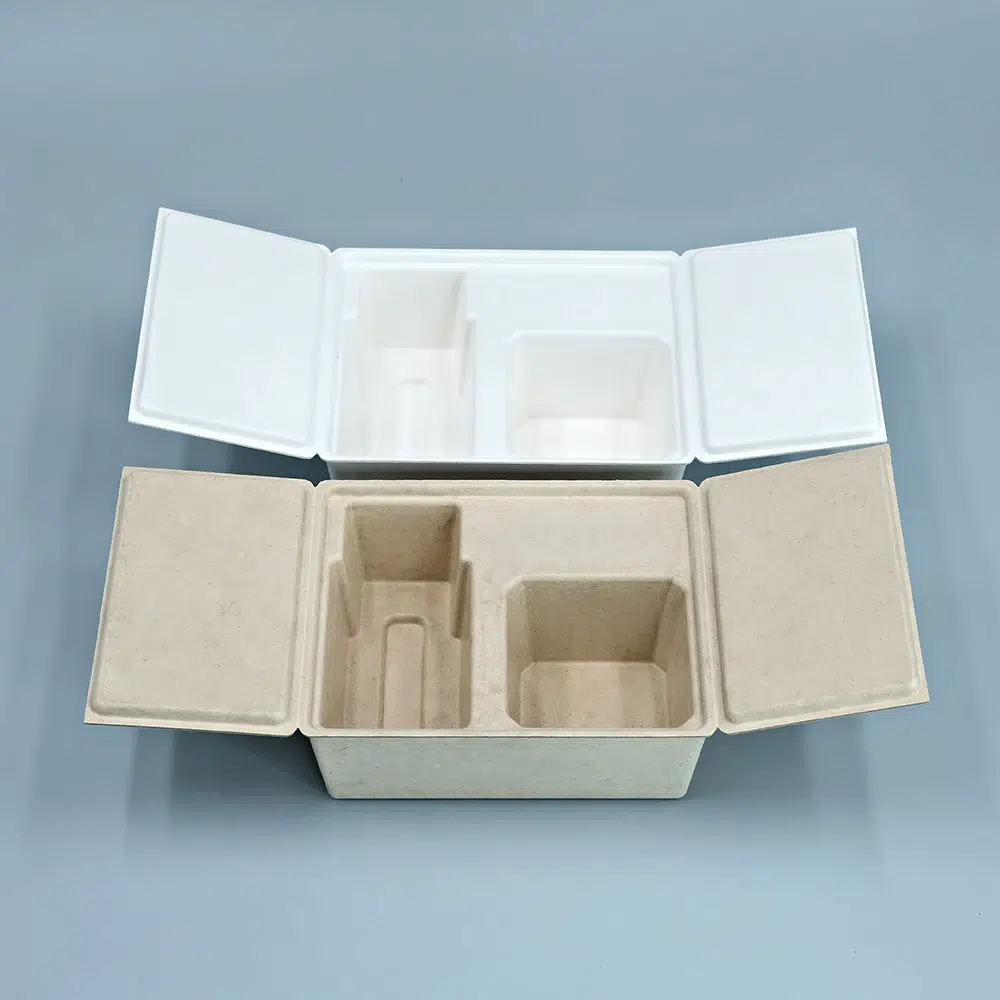
The journey of molded pulp began with the filing of its inaugural patent over a century ago. Initially limited to protective applications like egg cartons, it has since expanded into various industries. Made from fibrous materials such as recycled paper, cardboard, and natural fibers like sugarcane bagasse or bamboo, its eco-friendly nature positions it as a sustainable alternative to traditional packaging.
The manufacturing process involves creating a pulp slurry from these raw materials, shaping it via vacuum on a mesh mold, and then drying it. This process allows for customization, such as adding debossed logos or intricate designs, enhancing both functionality and aesthetic appeal.
Molded pulp packaging offers unique design opportunities by encouraging the creation of self-supporting structures. The absence of sharp angles and the inclusion of draft angles (5-10 degrees) give rise to fluid, organic forms that stand out visually. Products like molded fiber packaging are particularly suited for luxury brands seeking to combine sustainability with sophistication.
However, the mold-based process comes with challenges. Designers must carefully account for the mold’s limitations, ensuring that the final product can be released from the forming tools. Despite these challenges, the ability to create intricate 3D geometries and curved surfaces makes molded pulp a favorite for bold, innovative designs.
Molded pulp packaging has found its place in industries ranging from electronics to cosmetics. Its ability to protect fragile items, coupled with its aesthetic appeal, has made it a go-to choice for companies like Nike, Chanel, and Sony. For instance, luxury brands use molded pulp to create packaging that reflects their commitment to sustainability, while consumer goods industries benefit from its cost-effectiveness.
As a packaging solutions supplier, molded pulp manufacturers are focusing on improving production techniques to meet the growing demand for eco-friendly options. This adaptability ensures that molded pulp remains a competitive alternative to traditional materials.
| Advantage | Description |
|---|---|
| Biodegradability | Made from organic materials, molded pulp naturally decomposes, reducing landfill waste. |
| Recyclability | It fits seamlessly into the recycling process alongside paper and cardboard materials. |
| Material Efficiency | Its self-supporting design minimizes material usage, reducing production waste. |
As consumer awareness of environmental issues grows, the demand for sustainable packaging solutions like molded pulp is set to rise. With its ability to combine functionality, design flexibility, and eco-friendliness, it has become an integral part of the packaging industry.
By addressing key concerns such as plastic waste and excessive resource use, molded pulp packaging aligns with the values of emerging generations. Whether in cosmetics, electronics, or food packaging, this material continues to redefine what it means to be both practical and sustainable.