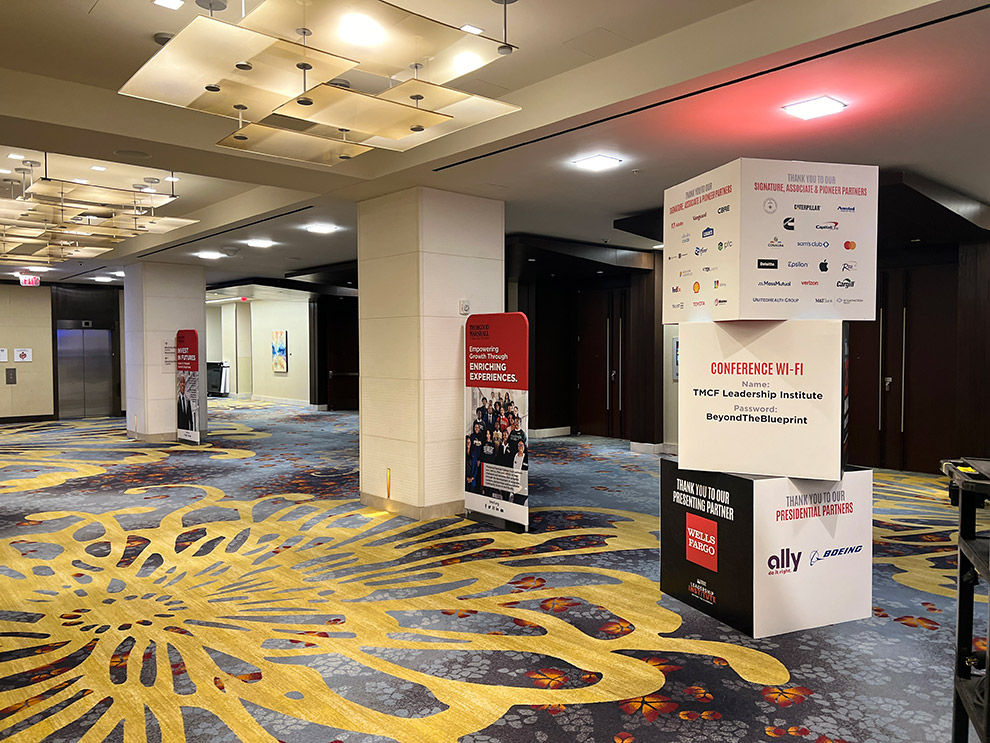
What Are the Benefits of Business Signs in Bethesda MD?
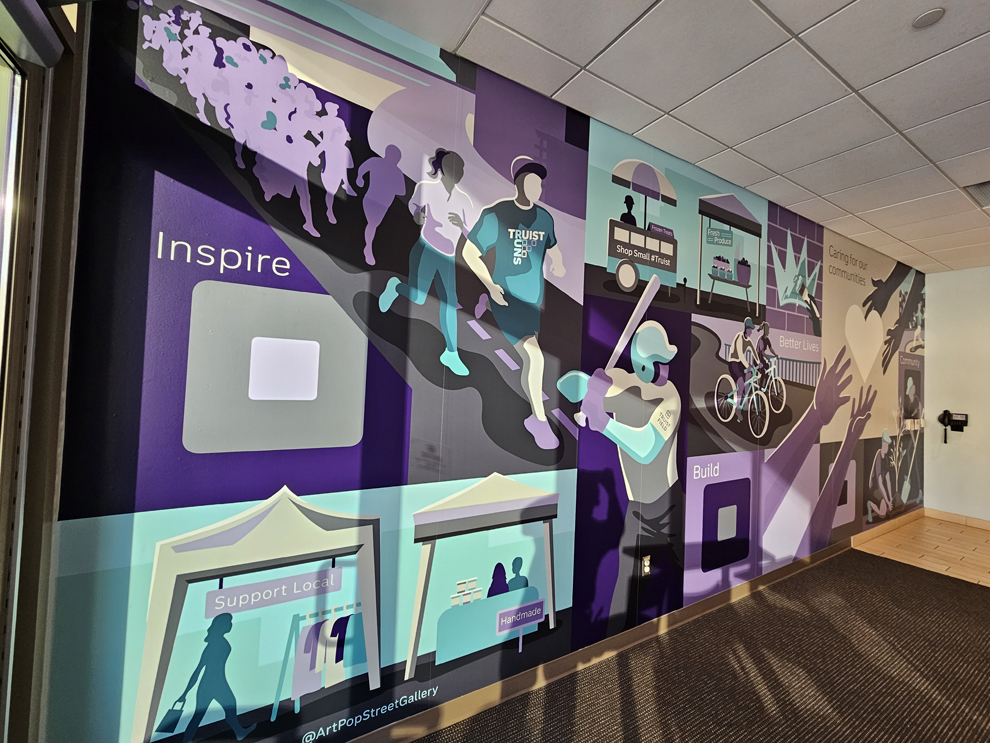
In today’s competitive business landscape, branding is more than just a logo or a marketing campaign. The visual presence of a business plays a significant role in shaping customer perception, increasing visibility, and creating a professional environment. One of the most effective tools for achieving this is through custom business signs. In Bethesda, MD, businesses are increasingly relying on professional signage to enhance their office interiors and branding strategies. This article explores the many benefits of Business Signs Bethesda MD and why they are essential for workplace branding.
Enhancing Brand Visibility
A primary advantage of business signs is their ability to boost brand visibility. A well-designed sign can attract the attention of passersby, potential clients, and even employees. In busy areas of Bethesda, MD, a distinctive and professional sign ensures that a business stands out from the competition.
Business signs act as visual ambassadors for a brand, delivering consistent messaging that reinforces brand identity. When a company invests in eye-catching signage, it communicates professionalism and reliability to its target audience.
Creating a Professional Office Environment
First Impressions Matter
The interior of a workplace significantly influences how clients, partners, and employees perceive a business. Professional business signs can transform office spaces into welcoming and authoritative environments. From reception areas to meeting rooms, custom signage ensures that every part of the office reflects the brand’s values and professionalism.
Guiding Visitors Effectively
In addition to branding, office signs serve a practical purpose by directing visitors throughout the workplace. Clear, visually appealing directional signage reduces confusion, enhances safety, and improves overall visitor experience. For companies with large office spaces or multiple departments, strategically placed business signs provide clarity and organization.
Boosting Marketing and Promotional Efforts
Business signs are not just decorative elements; they are powerful marketing tools. Strategically placed signage can highlight key services, special offers, or unique aspects of a brand. For businesses in Bethesda, MD, incorporating signage into marketing strategies can complement campaigns and print advertising, creating a cohesive brand message.
Furthermore, custom signs offer long-term value. Unlike temporary advertisements, professional signage continually promotes the business without recurring costs, making it a cost-effective marketing solution.
Increasing Brand Recognition
Consistency Builds Trust
Brand recognition is a crucial factor in business success. Consistent visual branding across office interiors, storefronts, and public spaces helps potential clients remember the business. By using Business Signs Bethesda MD effectively, companies can maintain consistency in color schemes, logos, and messaging, which builds trust and strengthens customer loyalty.
Memorable Visual Elements
Creative and visually appealing signs can leave lasting impressions on visitors. Whether it’s through unique typography, high-quality materials, or innovative lighting techniques, memorable signage helps a business stand out in a crowded market.
Supporting Employee Engagement and Productivity
Beyond client-facing benefits, business signs play an important role in internal office culture. Clear and informative signage improves workflow by guiding employees efficiently and reducing confusion.
Motivational wall graphics, branded office décor, and clearly marked workspaces enhance employee morale and create a sense of pride in the workplace. In essence, a well-branded office environment can positively impact productivity and team engagement.
Types of Business Signs for Offices in Bethesda
Investing in custom office signage means considering various types that can address both branding and functionality. Some popular options include:
Lobby Signs: Creates a strong first impression and reinforces brand identity immediately upon entry.
Wall Graphics: Adds personality, color, and brand messaging throughout office interiors.
Directional Signs: Ensures visitors and employees can navigate spaces with ease.
Room and Door Signs: Provides professional identification for offices, conference rooms, and work areas.
Dimensional Lettering and Acrylic Signs: Offers a modern and sophisticated look for reception areas.
Each type of sign serves a unique purpose, and combining multiple options can enhance both the aesthetic appeal and functionality of office spaces.
Choosing the Right Sign Company
Selecting a professional sign company is essential to maximize the benefits of business signs. A trusted Sign Company Bethesda MD can guide businesses through design, material selection, and installation. They ensure that the signage aligns with the brand’s vision and delivers a high-quality, long-lasting product.
Professional sign companies provide comprehensive services, from custom designs to installation and maintenance, ensuring that businesses achieve the desired impact without hassle.
Why Investing in Business Signs is Worth It
Investing in high-quality business signage is a strategic move for long-term growth. Here’s why:
Enhanced Brand Image: Signage communicates professionalism and credibility.
Improved Customer Experience: Clear and informative signs guide clients effortlessly.
Marketing Value: Signs serve as continuous advertising tools.
Employee Efficiency: Properly labeled spaces improve workflow and productivity.
Cost-Effectiveness: Unlike recurring marketing campaigns, signage is a one-time investment with long-lasting benefits.
Businesses that strategically implement Business Signs Bethesda MD often see measurable improvements in client engagement, brand recognition, and overall office atmosphere.
Conclusion
Business signs are an indispensable part of branding and office design in Bethesda, MD. They provide a unique combination of marketing, functional guidance, and aesthetic appeal that elevates a workplace environment. From enhancing first impressions and improving navigation to strengthening brand recognition, professional signage is a smart investment for businesses aiming to stand out.
By partnering with a reputable sign company, organizations can ensure that their signage not only reflects their brand identity but also delivers a meaningful impact for both clients and employees. Investing in Business Signs Bethesda MD is more than just decorating an office—it’s about creating a lasting impression that drives success.