
In modern manufacturing, the role of a Packing Machine is more important than ever. A Packing Machine is used in almost every industry, from food and beverages to pharmaceuticals and consumer goods. When businesses improve the efficiency of a Packing Machine, they directly increase production output, reduce waste, and save both time and money. Understanding how a Packing Machine improves efficiency helps companies make better decisions about production systems and automation.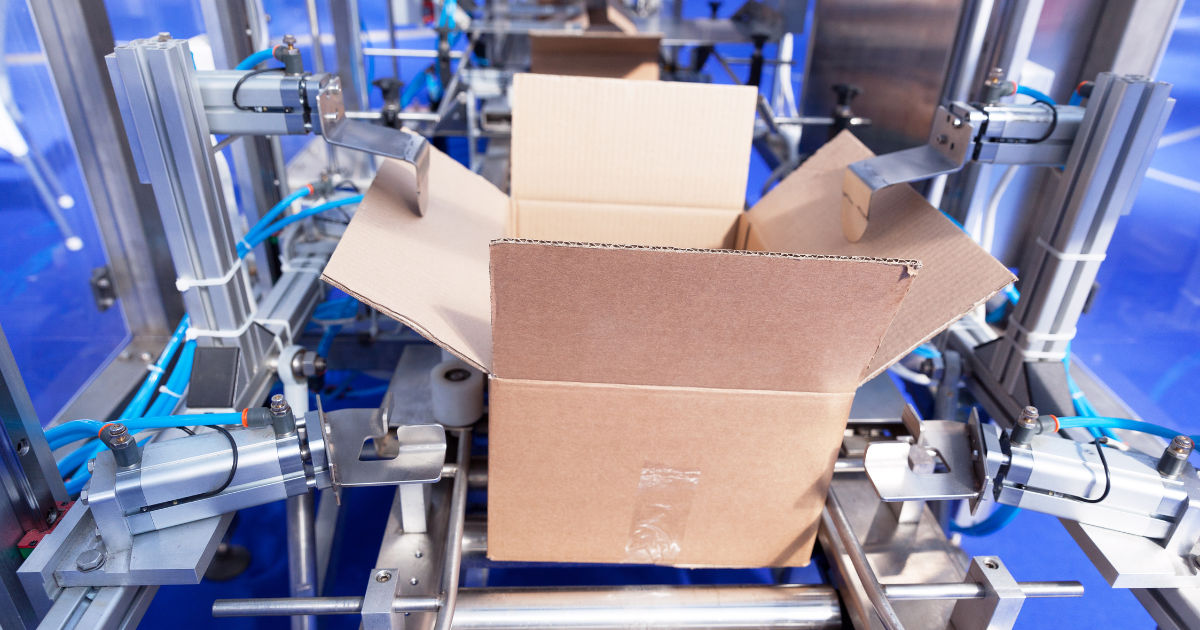
A Packing Machine is designed to package products quickly and accurately. When it runs efficiently, it ensures that each product is packed with minimal delay and maximum precision. This leads to higher productivity and better consistency in output. A well-optimized Packing Machine also reduces human error, which is common in manual packing processes. As industries grow, the demand for a high-performance Packing Machine increases because businesses want faster production without sacrificing quality.
Efficiency in a Packing Machine is not just about speed. It also includes accuracy, reduced downtime, proper maintenance, and energy usage. When all these factors are balanced, a Packing Machine can significantly improve overall output. In this article, we will explore how different factors of a Packing Machine contribute to better efficiency and higher production levels in detail.
Understanding Efficiency in a Packing Machine
Efficiency in a Packing Machine refers to how well the machine uses time, energy, and materials to complete packaging tasks. A highly efficient Packing Machine produces more units in less time while maintaining consistent quality. This balance is very important in industries where large-scale production is required.
One key aspect of efficiency is consistency. A Packing Machine must perform the same task repeatedly without errors. If a Packing Machine is inconsistent, it leads to product waste and delays. Efficiency also depends on how smoothly a Packing Machine transitions between different stages of packing, such as filling, sealing, and labeling.
Another important factor is speed optimization. A Packing Machine that runs too slowly reduces production output, while one that runs too fast without proper control may create errors. Therefore, balancing speed and precision is essential for a Packing Machine to achieve maximum efficiency.
Energy usage also plays a role. A modern Packing Machine is designed to consume less power while maintaining high output. This helps reduce operational costs and improves sustainability. When all these elements are combined, a Packing Machine becomes a powerful tool for improving production efficiency.
Speed and Output Enhancement
Speed is one of the most obvious ways a Packing Machine improves output. A faster Packing Machine can process more units in a shorter period, which directly increases production capacity. However, speed alone is not enough; it must be controlled and synchronized with other functions of the Packing Machine.
A high-speed Packing Machine reduces bottlenecks in production lines. When packaging is completed quickly, other stages such as labeling, storage, or shipping can proceed without delay. This creates a smooth workflow and improves overall factory performance.
Modern technology allows a Packing Machine to adjust speed based on product type. For example, fragile items may require slower handling, while durable goods can be processed faster. This flexibility ensures that a Packing Machine maintains both speed and safety.
In addition, automated controls help a Packing Machine maintain steady output without fluctuations. This consistency ensures that production targets are met daily. As a result, businesses that invest in a high-speed Packing Machine often experience significant improvements in output and efficiency.
Automation and Smart Control Systems
Automation is one of the biggest advancements in Packing Machine technology. A modern Packing Machine uses sensors, programmable logic controllers, and smart systems to perform tasks without constant human intervention. This increases both accuracy and speed.
A fully automated Packing Machine can detect product size, adjust packaging materials, and ensure proper sealing automatically. This reduces the need for manual adjustments and improves production flow. As a result, a Packing Machine can operate continuously with minimal interruptions.
Smart control systems also help a Packing Machine detect errors in real time. If a problem occurs, the system can stop the machine or adjust settings automatically. This prevents damage and reduces waste, improving overall efficiency.
Another advantage of automation in a Packing Machine is data tracking. Operators can monitor performance metrics such as speed, output rate, and error frequency. This information helps optimize the Packing Machine for better productivity.
Automation also reduces labor dependency. A single operator can manage multiple machines, including a Packing Machine, which reduces workforce costs and increases efficiency across the production line.
Reducing Downtime and Improving Continuity
Downtime is one of the biggest challenges in manufacturing. A Packing Machine that frequently stops or slows down can significantly reduce production output. Therefore, reducing downtime is essential for improving efficiency.
A well-designed Packing Machine includes features that minimize breakdowns. These may include automatic lubrication systems, error detection sensors, and durable mechanical components. These features help ensure that the Packing Machine operates continuously for longer periods.
Quick changeover systems also reduce downtime. A modern Packing Machine can switch between different packaging formats quickly, allowing manufacturers to handle multiple products without long delays.
Predictive maintenance is another important factor. Instead of waiting for a Packing Machine to break down, sensors can detect early signs of wear and tear. This allows maintenance to be done before major problems occur, ensuring continuous production.
By reducing downtime, a Packing Machine significantly increases overall output. Even small improvements in uptime can lead to large gains in productivity over time.
Maintenance and Long-Term Efficiency
Regular maintenance is essential for keeping a Packing Machine efficient. Without proper care, even the most advanced Packing Machine can lose performance over time. Maintenance ensures that all parts function correctly and prevents unexpected failures.
Cleaning is one of the simplest but most important maintenance tasks for a Packing Machine. Dust, product residue, and debris can affect performance and reduce accuracy. Regular cleaning helps maintain smooth operation.
Lubrication of moving parts is also important. A well-lubricated Packing Machine experiences less friction, which improves speed and reduces wear. This extends the life of the machine and keeps output levels high.
Routine inspections help identify minor issues before they become major problems. Checking belts, sensors, and seals ensures that a Packing Machine continues to perform efficiently.
Proper maintenance not only improves performance but also reduces repair costs. A well-maintained Packing Machine delivers consistent output and supports long-term production goals.
Workforce Efficiency and Operator Role
Even with automation, human operators play an important role in managing a Packing Machine. Skilled operators ensure that the machine runs smoothly and efficiently.
Training is essential. When operators understand how a Packing Machine works, they can quickly identify and fix minor issues. This reduces downtime and improves output.
A modern Packing Machine is designed to be user-friendly, allowing operators to control multiple functions with ease. This reduces workload and improves productivity.
In many factories, one operator manages several machines, including a Packing Machine. This increases workforce efficiency and reduces labor costs.
Clear communication between operators and maintenance teams also improves the performance of a Packing Machine. When everyone understands the system, efficiency naturally increases.
Energy Efficiency and Cost Savings
Energy consumption is an important factor in production efficiency. A modern Packing Machine is designed to use energy more effectively while maintaining high output.
Energy-efficient motors and systems help reduce electricity usage in a Packing Machine. This lowers operational costs and improves sustainability.
Smart energy management systems allow a Packing Machine to adjust power usage based on workload. When demand is low, the machine consumes less energy, which improves efficiency.
Reducing energy waste also helps improve environmental impact. A well-designed Packing Machine supports eco-friendly production practices while maintaining high performance.
Lower energy consumption combined with high output makes a Packing Machine a cost-effective solution for manufacturers.
Quality Control and Output Consistency
Quality control is another important factor in improving efficiency. A Packing Machine must ensure that every package meets required standards.
Sensors in a Packing Machine check for correct weight, sealing, and labeling. This reduces the chances of defective products reaching customers.
Consistent quality reduces waste and improves customer satisfaction. A reliable Packing Machine ensures that each product is packaged the same way every time.
Automated quality checks also reduce the need for manual inspection. This speeds up production and increases overall output.
By maintaining high quality, a Packing Machine improves both efficiency and brand reputation.
Industry Applications and Real-World Impact
A Packing Machine is used in many industries, including food processing, pharmaceuticals, cosmetics, and logistics. In each industry, it improves output in different ways.
In the food industry, a Packing Machine ensures hygiene and speed. In pharmaceuticals, it ensures accuracy and safety. In logistics, it improves shipping speed and organization.
Each industry benefits from the efficiency of a Packing Machine, which helps increase production capacity and reduce operational costs.
As industries grow, the demand for advanced Packing Machine systems continues to rise due to their ability to improve output and efficiency.
Optimization Strategies for Better Performance
To maximize efficiency, manufacturers must optimize their Packing Machine regularly. This includes updating software, improving workflows, and upgrading components.
Using high-quality materials also improves the performance of a Packing Machine. Better materials reduce breakdowns and increase durability.
Regular performance monitoring helps identify areas where a Packing Machine can be improved. Data analysis allows companies to make informed decisions.
Upgrading older machines to newer models of Packing Machine technology can also significantly improve output.
By applying these strategies, manufacturers can ensure long-term efficiency and higher productivity.
Conclusion
A Packing Machine plays a crucial role in modern production systems by improving efficiency and increasing output. From automation and speed control to maintenance and energy efficiency, every aspect of a Packing Machine contributes to better performance.
When properly optimized, a Packing Machine reduces downtime, improves quality, and lowers production costs. It allows industries to meet growing demand while maintaining consistency and reliability.
In today’s competitive market, investing in a high-performance Packing Machine is essential for success. It not only increases output but also supports long-term growth and sustainability.
Overall, understanding and improving the efficiency of a Packing Machine is key to achieving higher productivity in any manufacturing environment.