
How Breathing Patterns Affect Stamina?
Breathing is one of the most fundamental yet overlooked aspects of physical performance. Whether you are an athlete, a gamer, or simply trying to improve your overall stamina, the way you breathe can significantly impact your endurance, focus, and energy levels.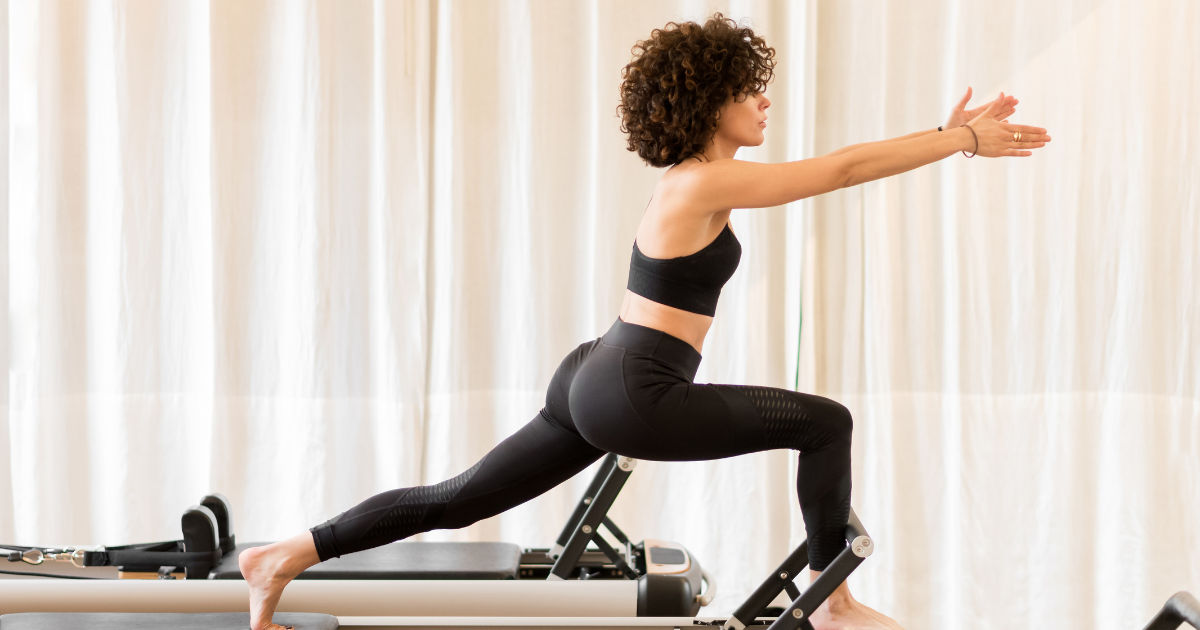
Many people underestimate how breathing patterns affect stamina, but by understanding and optimizing them, you can unlock remarkable improvements in your physical and mental performance.
Before we dive deeper, it’s worth noting that tools like the Bathmate Hydromax 7 Pump have gained popularity for enhancing physical confidence, and just like proper usage of such tools, proper breathing techniques can dramatically enhance your stamina.
]In this guide, we will explore the science of breathing, different patterns, exercises, and strategies to sustain higher energy levels and reduce fatigue.
Understanding the Basics of Breathing
Breathing is a complex process that involves the lungs, diaphragm, and various muscles. While it seems automatic, consciously controlling your breathing can drastically influence oxygen intake and energy levels.
Oxygen is the fuel your muscles need during any physical activity. If your body does not receive adequate oxygen, you will experience early fatigue, reduced stamina, and slower recovery. Conversely, optimal breathing patterns ensure a steady oxygen supply to your muscles and brain, allowing you to perform longer and more efficiently.
There are two primary types of breathing:
Diaphragmatic Breathing
Diaphragmatic breathing, also called belly breathing, involves fully engaging the diaphragm. When you inhale, your belly rises, and when you exhale, it contracts.
Benefits:
-
Maximizes oxygen intake
-
Reduces tension in the chest and shoulders
-
Supports endurance activities like running, swimming, and cycling
Chest Breathing
Chest breathing involves shallow breaths primarily using the upper lungs and chest muscles. It is often triggered by stress or high-intensity efforts.
Downsides:
-
Less efficient oxygen delivery
-
Increases heart rate unnecessarily
-
Causes faster fatigue during prolonged activities
How Breathing Patterns Influence Stamina
Your breathing pattern directly affects how efficiently your body uses energy. Proper breathing increases stamina, while poor habits can limit performance.
Oxygen Delivery to Muscles
Muscles require oxygen for energy production through aerobic metabolism. Shallow or irregular breathing reduces oxygen flow, forcing muscles to rely on anaerobic pathways, which produce lactic acid. The accumulation of lactic acid leads to fatigue and discomfort, decreasing stamina.
Heart Rate and Blood Pressure
Controlled breathing helps regulate heart rate and blood pressure. Slow, deep breaths activate the parasympathetic nervous system, which calms the body and allows for more sustained performance. On the other hand, rapid or erratic breathing increases heart rate and stress hormones, draining energy faster.
Mental Focus
Stamina isn’t only physical; mental endurance matters too. Conscious breathing improves concentration and reduces anxiety. Gamers and athletes alike benefit from steady breathing, which maintains alertness and reduces mistakes during high-stress situations.
Breathing Techniques to Improve Stamina
Integrating the right breathing techniques can dramatically enhance your stamina, both during workouts and daily activities.
1. Box Breathing
Box breathing is a technique commonly used by athletes and professionals to improve focus and endurance.
Steps:
-
Inhale for 4 seconds
-
Hold your breath for 4 seconds
-
Exhale for 4 seconds
-
Hold for 4 seconds
-
Repeat for several cycles
Benefits:
-
Stabilizes heart rate
-
Enhances oxygen efficiency
-
Reduces stress
2. Diaphragmatic Breathing Exercises
Focusing on diaphragmatic breathing strengthens the core muscles and improves lung capacity.
Steps:
-
Lie on your back with knees bent
-
Place one hand on your chest and one on your belly
-
Inhale deeply through the nose, letting your belly rise
-
Exhale slowly through pursed lips, letting your belly fall
-
Repeat for 5–10 minutes daily
This exercise is particularly beneficial for endurance athletes and anyone trying to maintain high energy levels throughout the day.
3. Rhythmic Breathing During Exercise
Matching your breath to your movements can optimize stamina. For example:
-
Running: Inhale for 2 steps, exhale for 2 steps
-
Cycling: Inhale for 3 pedal strokes, exhale for 3 strokes
-
Strength Training: Exhale during exertion, inhale during relaxation
This method prevents early fatigue and helps maintain a steady oxygen supply.
4. Alternate Nostril Breathing
Originating from yoga, alternate nostril breathing balances oxygen intake and calms the nervous system.
Steps:
-
Close your right nostril and inhale through the left
-
Close the left nostril and exhale through the right
-
Inhale through the right, then exhale through the left
-
Continue for several cycles
This technique improves mental clarity and supports sustained physical performance.
Common Breathing Mistakes That Reduce Stamina
Many people unknowingly adopt habits that limit their endurance. Identifying and correcting these mistakes can boost performance immediately.
Shallow Breathing
Taking quick, shallow breaths limits oxygen supply and forces muscles to fatigue faster.
Holding Your Breath
Holding your breath during exercise, a common mistake in weightlifting, increases internal pressure and reduces stamina.
Rapid, Erratic Breathing
Panic or stress can cause rapid breathing, increasing heart rate and depleting energy unnecessarily.
Mouth-Only Breathing
Breathing solely through the mouth bypasses natural filtration and humidification provided by the nose, which can lead to dehydration and reduced oxygen efficiency.
How Breathing Patterns Affect Different Types of Stamina
Different activities demand different types of stamina, and breathing patterns must adapt accordingly.
Aerobic Stamina
Activities like running, swimming, and cycling rely on aerobic stamina. Deep, steady breathing maximizes oxygen delivery to the muscles, delaying fatigue.
Anaerobic Stamina
High-intensity exercises like sprinting or heavy lifting rely on short bursts of energy. Here, controlled breathing can help manage lactic acid accumulation and reduce the feeling of exhaustion.
Mental Stamina
Games, exams, and high-pressure tasks require sustained mental focus. Techniques like box breathing or alternate nostril breathing can reduce stress and improve concentration.
Breathing Tips for Gamers and Online Performance
Online gaming may seem sedentary, but mental stamina is crucial, and breathing plays a huge role.
Maintain Steady Breaths
Avoid holding your breath during intense moments. Deep, rhythmic breathing keeps oxygen flowing to the brain, improving reaction time and focus.
Take Micro-Breathing Breaks
During longer gaming sessions, take short breaks to perform deep breathing exercises. This reduces tension and prevents fatigue.
Optimize Posture
Good posture facilitates better lung expansion. Sit upright with shoulders relaxed to maximize oxygen intake.
Lifestyle Factors That Support Healthy Breathing
Optimizing breathing patterns is not only about exercises but also about lifestyle habits.
Stay Hydrated
Proper hydration ensures mucus membranes in the respiratory tract function efficiently, aiding smooth airflow.
Maintain a Healthy Weight
Excess weight can compress the diaphragm and lungs, reducing stamina and oxygen efficiency.
Regular Cardiovascular Exercise
Cardio strengthens the heart and lungs, making oxygen delivery more efficient during activity.
Avoid Smoking
Smoking damages lung tissue and reduces oxygen capacity, directly impacting stamina.
Integrating Breathing Awareness into Daily Life
Being mindful of your breathing throughout the day can lead to long-term improvements in stamina.
Morning Routine
Start your day with 5–10 minutes of diaphragmatic breathing to oxygenate your body and calm your mind.
During Work or Study
Take periodic breaks to practice box or alternate nostril breathing to maintain focus and energy.
Pre-Exercise Warm-Up
Incorporate breathing exercises into warm-ups to prepare your lungs and heart for optimal performance.
Post-Exercise Recovery
Deep breathing post-workout helps eliminate carbon dioxide and lactic acid, speeding up recovery.
The Connection Between Breathing and Confidence
Interestingly, breathing patterns also affect psychological states. Proper breathing techniques can improve self-confidence, reduce anxiety, and enhance overall performance in both physical and mental tasks. Just like using a Bathmate Hydromax 7 Pump can improve confidence in certain aspects of physical performance, mastering your breathing techniques can provide a sense of control and empowerment over your stamina and energy levels.
Breathing Exercises for Long-Term Stamina Improvement
Here are a few exercises you can practice daily to enhance your stamina over time:
1. Progressive Breathing
Gradually increase the depth and duration of your inhalations and exhalations over several weeks.
2. Breath-Hold Training
Safely practice holding your breath after inhalation to strengthen lung capacity. Begin with a few seconds and gradually extend as comfortable.
3. Endurance Breathing Drills
During cardio workouts, consciously match your breath to your movements. Over time, this improves oxygen utilization and delays fatigue.
4. Mindful Breathing
Spend a few minutes daily observing your natural breath without attempting to control it. This enhances awareness and stress management, indirectly supporting stamina.
Conclusion
Breathing patterns are more than just a subconscious process—they are a powerful tool for enhancing stamina, improving mental focus, and supporting overall health. By incorporating proper breathing techniques, you can increase oxygen delivery to muscles, reduce fatigue, and improve both physical and mental performance. From diaphragmatic breathing and box breathing to rhythmic coordination with exercise, each method plays a vital role in building endurance.
Moreover, lifestyle choices like staying hydrated, maintaining healthy body weight, avoiding smoking, and practicing regular cardiovascular exercise complement these techniques for optimal stamina. Just as tools like the Bathmate Hydromax 7 Pump can boost confidence and performance, mastering your breathing can enhance your energy levels, focus, and endurance in everyday life.
Whether you are an athlete, a gamer, or someone looking to sustain higher energy levels throughout the day, understanding and optimizing your breathing patterns is one of the simplest yet most effective strategies. Start small, remain consistent, and gradually observe how your stamina transforms.
By practicing these techniques, not only will your physical endurance improve, but your mental resilience and confidence will also reach new heights. Mastering the art of breathing is truly an investment in your long-term health and performance.