
The Ascension Popularity And Patient Strength Of Modern Font Steel Buildings In Contemporary Architecture And Heavy-duty Twist
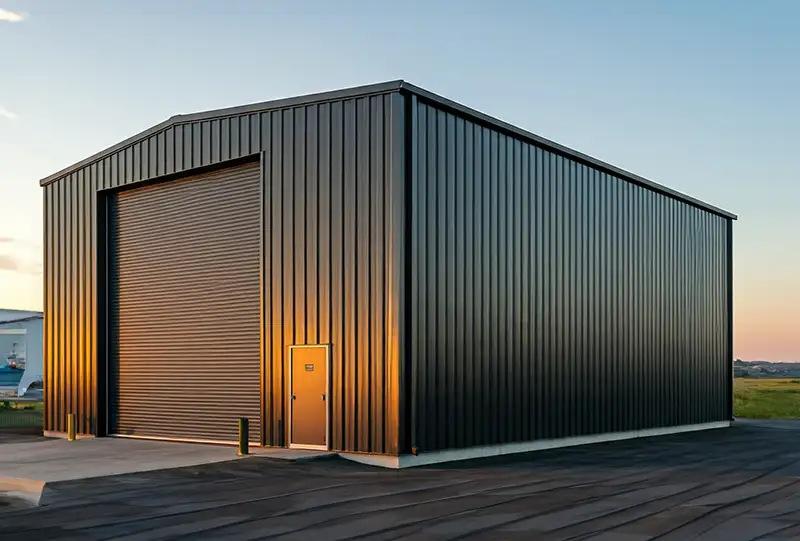
In the evolving landscape of Bodoni font construction, nerve buildings have emerged as one of the most dependable, efficient, and varied solutions for both commercial message and residential needs. The use of steel in construction has transformed the way architects and engineers plan structures, offering a balance of effectiveness, tractableness, and sustainability. Over the past few decades, nerve buildings have gained huge popularity due to their durability, cost-effectiveness, and environmental benefits, making them a preferred selection for industries, warehouses, office complexes, agricultural facilities, and even homes.
One of the key reasons behind the growing use of metal garage kits buildings is their master biological science unity. Steel, being one of the strongest materials available, offers olympian underground against cancel forces like earthquakes, heavily winds, and snow scores. Unlike wood or concrete, steel does not warp, crack, or spread out with changes in temperature or wet, ensuring long-term stableness. This resiliency makes nerve buildings an ideal choice for areas unerect to extreme brave out conditions, where orthodox materials might not stand firm such challenges effectively. The high effectiveness-to-weight ratio of steel also allows for wider spans and open spaces, providing greater design exemption and usefulness versatility.
Another significant advantage of nerve buildings lies in their twist . Prefabricated nerve components are factory-made with precision in limited environments, reducing homo error and minimizing on-site twist time. This approach not only speeds up the edifice process but also reduces run off and push on . As a result, nerve structures can be erected in a fraction of the time requisite for orthodox buildings, allowing businesses to become operational faster. Furthermore, sustenance requirements for nerve buildings are token, deliverance owners goodish expenses over the social structure s life.
From an state of affairs position, steel buildings align absolutely with the maturation global vehemence on sustainable . Steel is 100 recyclable, substance it can be reused aggregate multiplication without losing its implicit in strength or timber. This makes it one of the most eco-friendly materials in the construction manufacture. Many modern builders now opt for recycled steel to tighten the carbon footprint of their projects. Additionally, vim-efficient insulant and plan options in steel buildings help understate heating and cooling costs, tributary further to sustainability goals.
The design tractableness of steel buildings has also expanded their use beyond orthodox industrial applications. Today, nerve is being used to make esthetically sympathetic commercial complexes, schools, sports arenas, and even sybaritic human action homes. Advanced coating technologies now allow for a variety show of finishes and colors, ensuring that steel structures can intermix seamlessly with modern font branch of knowledge trends while maintaining their tough potency. This of lulu and enduringness has made nerve buildings a symbolic representation of design and come on in construction.
In , steel buildings stand for the hereafter of modern font computer architecture a time to come outlined by efficiency, sustainability, and resilience. As urbanisation continues to quicken and the demand for serviceable infrastructure grows, steel s role will only become more significant. Its unpaired adaptability ensures that it can meet the needs of about any imag, from modest-scale storehouse units to massive skyscrapers. The continued organic evolution of steel engineering promises even greater possibilities in the lead, solidification steel buildings as a of twist in the Bodoni font earth.