Sports Broadcasting Delivery The Excitement To Your Screen
quadro_bike
June 3, 2025
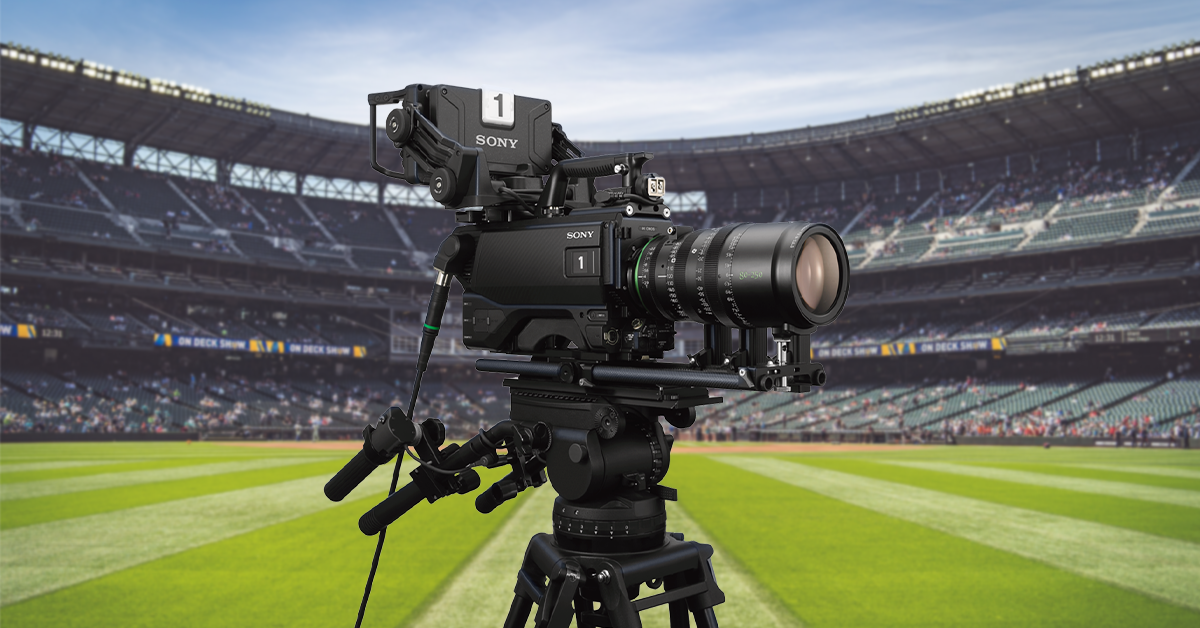
Sports broadcasting has become an integral part of modern-day sports . From the comfort of their couches, fans can see the thrill of the game, analyse each play, and pep up on their front-runner teams from all around the earthly concern. It is a phenomenon that has changed the way we see and squander sports. But how did Zombie TV broadcasting become the power plant that it is today?
The history of sports broadcasting can be copied back to the late 1800s when radio broadcasts were first introduced. The first known live circularise of a sporting was the reporting of a fisticuffs oppose between Johnny Dundee and Johnny Ray in 1921. However, it wasn’t until the 1930s when sports broadcasting really took off, thanks to the innovation of the television.
The first live televised sporting was a college baseball game game between two equal teams, Princeton and Columbia, in 1939. The diffuse attracted a huge hearing and made-up the way for more sports events to be televised. Over the next few old age, pop sports such as football, hoops, and baseball game were regularly broadcasted, and by the 1960s, sports broadcast medium became a moneymaking manufacture.
With the rise of wire television system in the 1980s, sports broadcast medium saw a impressive shift. Cable channels like ESPN and TBS started to focalise only on sports, providing extensive reporting and psychoanalysis of various games. This led to a significant step-up in the amoun of TV audience and pronounced the start of the era of sports broadcast medium as we know it now.
Sports broadcasting has revolutionized the way we waste sports. It has given us face-row access to all kinds of diversion events, from the Super Bowl to the Olympics, making it possible for fans to watch their front-runner teams and players without going away their homes. This has not only changed the way we view sports but has also opened up new opportunities for advertisers and created a weapons platform for athletes to show window their skills to a planetary audience.
One of the most considerable changes brought about by sports broadcast medium is the introduction of live commentary and depth psychology during games. With commentators and analysts providing insights and opinions, TV audience can get a better understanding of the game and its players. This has also made sports more accessible to unplanned TV audience, allowing them to keep an eye on along and enjoy the game just as much as devoted fans.
Another material panorama of sports broadcast medium is the use of applied science to raise the viewing go through. Slow-motion replays, nontextual matter, and statistics ply viewing audience with a more in-depth look at the game. On-screen art can also supply selective information such as player name calling, statistics, and piles, retention TV audience familiar and busy throughout the distribute.
Furthermore, sports broadcasting has played a essential role in promoting diversity and inclusivity in sports. Women’s sports, once seldom seen on television system, are now on a regular basis broadcasted, giving female person athletes the same platform and realisation as male athletes. Sports broadcast medium has also made it possible for viewers to see International recreation events, delivery together different cultures and promoting oneness through sports.
In conclusion, sports broadcast medium has come a long way since its early on days. It has changed the way we experience and waste sports, from radio broadcasts in the 1800s to live cyclosis in the 21st century. It has made sports more accessible, amusing, and comprehensive, bringing the exhilaration and thrill of the game to screens all around the worldly concern. With engineering unendingly evolving, sports broadcast medium will uphold to push boundaries and enhance the way we engage with sports for years to come.