
What makes a cute Disney character fun to color?
Coloring has always been one of the simplest yet most engaging creative activities, especially for younger audiences and art beginners.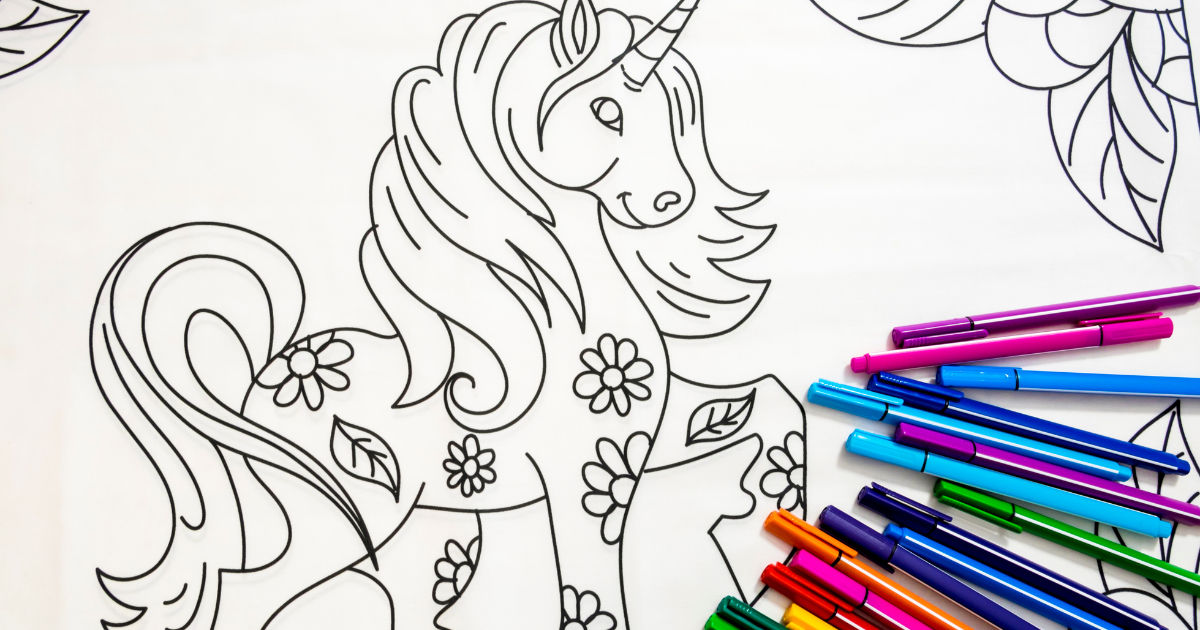
When it comes to designs inspired by The Walt Disney Company, the appeal becomes even stronger. A Disney character often carries emotional familiarity, expressive features, and playful designs that naturally invite creativity.
But what exactly makes a cute Disney character fun to color? The answer lies in a combination of design psychology, storytelling elements, visual structure, and personal expression. This guide explores all of these factors in detail.
The Emotional Connection Behind Coloring
Familiarity and Comfort
One of the strongest reasons people enjoy coloring a Disney character is familiarity. Characters like Mickey Mouse, Stitch, or Winnie the Pooh are often tied to childhood memories. That emotional connection makes the coloring experience more meaningful than just filling shapes with color.
When someone colors a Disney character, they are not just engaging with an outline—they are interacting with a story they already know and love.
Positive Associations
A cute Disney character is often designed to trigger positive emotions such as joy, curiosity, or comfort. Rounded shapes, large eyes, and soft expressions make characters feel friendly and approachable. This emotional design makes coloring feel relaxing rather than challenging.
Visual Design Elements That Make Coloring Fun
Simple but Expressive Shapes
A major reason a Disney character is enjoyable to color is its balance between simplicity and expression. Most characters are drawn with clean outlines and clear sections, which makes them easy to fill in with color.
At the same time, they still have expressive faces and body language. This allows the colorist to bring personality into the artwork.
Bold Outlines and Clear Sections
Strong outlines help separate different areas of a Disney character, such as clothing, hair, or accessories. This structure is especially helpful for beginners because it reduces confusion about where one color ends and another begins.
Recognizable Silhouettes
Even without color, many Disney characters are instantly recognizable. This makes coloring more engaging because the artist already knows what the final result “should” resemble, even while experimenting with creative choices.
Creativity and Personal Expression
Freedom to Experiment
One of the most enjoyable aspects of coloring a Disney character is the freedom it provides. While there are official color schemes, there is no rule that says you must follow them. This allows artists to explore alternate styles, such as rainbow fur, pastel clothing, or dramatic shading.
Developing Artistic Confidence
Coloring helps build confidence in artistic decision-making. Choosing colors for a Disney character encourages experimentation without fear of failure. Since the outlines are already provided, the focus shifts entirely to creativity.
Learning Color Theory Naturally
Without even realizing it, people learn basic color theory while coloring a Disney character. They start to understand:
- Complementary colors
- Warm vs cool tones
- Shading and highlights
- Color harmony
This makes coloring both fun and educational.
Why Cute Designs Are Especially Engaging
The Power of “Kawaii” Style
Cute design styles, often inspired by rounded shapes and oversized features, are universally appealing. A cute Disney character typically has:
- Large eyes
- Small noses
- Soft edges
- Simplified anatomy
These features make characters feel friendly and easy to approach visually.
Reduced Complexity, Increased Enjoyment
Highly detailed images can feel overwhelming. In contrast, a cute Disney character simplifies complexity while still maintaining personality. This balance keeps coloring enjoyable rather than stressful.
The Role of Storytelling in Coloring
Characters With Personality
Every Disney character carries a story. Even when coloring a simple outline, the personality of the character influences color choices. For example, a cheerful character might inspire bright colors, while a calm character might lead to softer tones.
Imagining the Scene
Coloring is not just about filling shapes—it is also about imagination. A Disney character often comes from a larger world, and that encourages the colorist to think about backgrounds, environments, and moods.
Psychological Benefits of Coloring Disney Characters
Stress Relief and Relaxation
Coloring is widely recognized as a calming activity. When focusing on a Disney character, attention shifts away from stress and toward a simple, repetitive action that promotes relaxation.
Focus and Mindfulness
Coloring encourages mindfulness. Staying within lines, selecting colors, and completing a design requires concentration, which helps quiet mental distractions.
Emotional Satisfaction
Completing a Disney character coloring page provides a sense of achievement. This small success can boost mood and motivation.
Age-Friendly Appeal
For Children
Children enjoy coloring Disney character designs because they are:
- Easy to recognize
- Simple to understand
- Fun and expressive
It also helps improve motor skills and coordination.
For Teens and Adults
Older audiences also enjoy coloring because it offers nostalgia and relaxation. A Disney character can reconnect them with childhood memories while offering a creative outlet.
Artistic Styles in Disney Character Coloring Pages
Classic Cartoon Style
Traditional designs focus on simple lines and bold shapes. These are ideal for beginners and younger artists.
Modern Stylized Designs
Newer versions of a Disney character often include more shading, texture, and dynamic poses, offering a more advanced coloring experience.
Chibi and Super-Cute Variations
Chibi-style versions exaggerate cuteness with oversized heads and small bodies. This makes coloring playful and expressive.
Tools That Enhance Coloring Experience
Traditional Tools
- Crayons
- Colored pencils
- Markers
These are simple, accessible, and ideal for a Disney character coloring page.
Digital Coloring
Digital tools allow users to:
- Undo mistakes
- Experiment with layers
- Try different palettes instantly
This makes digital coloring especially flexible.
Choosing the Right Colors
Staying True to Original Designs
Some people prefer matching official colors of a Disney character. This helps maintain recognition and consistency.
Creative Color Reinterpretation
Others prefer experimenting. For example:
- Turning a character into a fantasy version
- Using seasonal color themes
- Creating mood-based palettes
Understanding Color Emotion
Colors influence perception:
- Red = energy and excitement
- Blue = calm and trust
- Yellow = happiness
- Green = nature and balance
These choices affect how a Disney character feels visually.
Common Mistakes Beginners Make
Overcomplicating the Design
Trying to add too many colors or effects can make a Disney character look messy. Simplicity often works better.
Ignoring Light and Shadow
Even basic shading can improve depth. Flat coloring may reduce visual impact.
Rushing the Process
Coloring is meant to be slow and enjoyable. Rushing reduces quality and satisfaction.
How Coloring Builds Creativity Over Time
Skill Development
With practice, artists become more confident in:
- Blending colors
- Choosing palettes
- Creating visual balance
Developing Personal Style
Over time, each person develops a unique way of coloring a Disney character, which reflects personality and creativity.
Why Disney Characters Stand Out Compared to Other Designs
A Disney character stands out because it combines emotional storytelling, visual clarity, and universal appeal. Unlike generic drawings, these characters are already deeply rooted in cultural imagination.
This makes the coloring experience more meaningful because the user is engaging with something familiar yet creatively open-ended.
The Social Side of Coloring
Sharing Artwork
Many people enjoy sharing their finished Disney character artwork online or with friends. This builds community and encourages feedback.
Collaborative Creativity
Coloring groups or classrooms often work on similar pages, which allows people to compare styles and learn from each other.
Conclusion
Coloring a cute Disney character is more than just a simple activity—it is a blend of creativity, relaxation, storytelling, and emotional connection. The combination of familiar characters, expressive design, and flexible color choices makes the experience enjoyable for all ages.
Whether someone is using coloring as a way to relax, learn artistic skills, or reconnect with childhood memories, a Disney character provides a perfect balance of structure and imagination. The simplicity of the outlines allows freedom, while the emotional depth of the characters adds meaning to every color choice.
Ultimately, what makes a cute Disney character fun to color is not just the design itself, but the personal experience each person brings to it. Every color stroke becomes part of a larger story—one that is shaped by creativity, emotion, and imagination.